

Integrating MAP Movement Into Your Yoga Routine
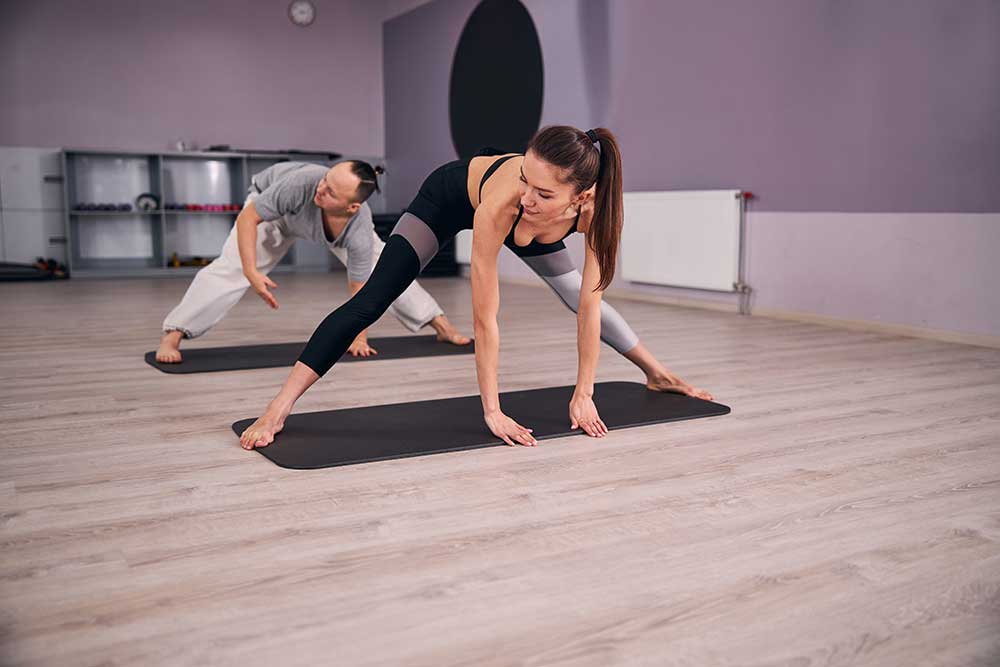
Exploring how MAP Movement can be integrated into your yoga practice reveals a deeper understanding of the body’s intricate connections. By adding these movement principles, individuals can achieve a heightened sense of bodily awareness and alignment. This method enriches traditional yoga by offering a path to discover new levels of movement and mindfulness.
Delving into this combination opens up a realm of possibilities for those looking to deepen their practice in a more unified and holistic manner.
Benefits of MAP Movement in Yoga
Why MAP Movement is a Game-Changer in Yoga
Adding MAP Movement to your yoga practice is like unlocking a new level of understanding of your body. It’s not just about getting into a pose; it’s about really feeling it, knowing what your muscles are doing, and making sure they’re working together in harmony. When you start to focus on the tiny details of how you move, you’ll notice you can hold poses with more confidence and stability. It’s like you’re teaching your body to move smarter, not harder.
The Mind-Body Connection
One of the coolest things about MAP Movement is how it bridges the gap between your mind and your muscles. Ever notice how sometimes your body just seems to do its own thing? Well, with MAP Movement, you get to have a say in the matter. It’s about tuning in and really listening to what your body is telling you. This doesn’t just make your practice more mindful; it makes it more intentional. You’ll start to understand your body’s strengths and limits, and that’s powerful stuff.
Staying Safe and Steady
Now, let’s talk safety. By weaving MAP Movement into your yoga, you’re basically giving yourself a built-in safety net. Better alignment and muscle engagement mean you’re less likely to wobble out of a pose or push yourself too far. Think of it as your body’s way of looking out for you, making sure you can keep coming back to your mat injury-free.
Keeping Balance in Practice
The beauty of MAP Movement is that it encourages a balanced practice. It’s not just about pushing harder; it’s about pushing smarter. This means your yoga journey can be more sustainable over time, helping you to improve steadily without burning out. It’s about finding that sweet spot where your body feels challenged but not overwhelmed.
A Personal Insight
As someone deeply invested in yoga, I’ve found that incorporating MAP Movement into my routine has been a revelation. It’s like I’ve discovered a secret language that my body was always speaking, but I wasn’t fully listening. Now, I move with purpose, and every pose feels like a conversation between my mind and muscles. It’s transformed my practice from something I do to something I experience.
In Conclusion
To sum it up, MAP Movement in yoga is about more than just doing poses; it’s about understanding them. It’s a tool that allows you to engage with your practice on a deeper level, ensuring you get the most out of every session. It’s not just good for your body; it’s good for your soul.
Key MAP Movement Techniques
Understanding MAP Movement Techniques in Yoga
Diving deeper into yoga practices, it’s fascinating to explore how MAP Movement Techniques help us understand our bodies better, making our movements more precise and efficient. By focusing on Myofascial Activation Points (MAPs), these techniques not only enhance our proprioception—our sense of body positioning—but also help us move with greater ease and less risk of injury.
Boosting Proprioceptive Awareness for Targeted Improvements
One of the coolest things about MAP movement techniques is how they sharpen our proprioceptive awareness. This means we get better at feeling where our body is in space, which is super useful for improving our balance and coordination. By zeroing in on specific MAPs, we can tackle those stubborn areas of tension or weakness that might be holding us back. It’s like having a roadmap to a more balanced and effective yoga practice.
Activating Muscles for Greater Movement Efficiency
Then there’s the part about muscle activation. By engaging these MAPs, we’re essentially waking up our muscles, encouraging them to work in the most efficient way possible. This isn’t just about building strength; it’s about making sure the right muscles are firing at the right time. The result? Smoother, more coordinated movements that feel good and look graceful.
Cultivating Body Awareness for Functional Movement
Integrating MAP movement techniques into our practice also deepens our body awareness, which is a game-changer for making our movements more functional and purposeful. It’s like we become more tuned into our body’s needs, allowing us to adjust our posture, align better, and move in ways that reduce the risk of injury. This not only makes our yoga practice more sustainable but also benefits our movement in daily life.
Why It All Matters
‘By making MAP Movement Techniques a key part of our yoga practice, we’re not just going through the motions. We’re actively engaging with our body in a way that promotes mindfulness, precision, and care. It’s about moving smarter, not harder,’ says a noted yoga instructor.
In Summary
Exploring MAP Movement Techniques is like unlocking a new level of connection with our bodies in our yoga practice. By improving proprioception, activating muscles correctly, and fostering a deeper sense of body awareness, we set the stage for a more mindful, efficient, and enjoyable movement experience.
Integrating MAP Movements in Asanas
Integrating MAP Movements in Yoga Asanas
Integrating MAP movements into your yoga practice isn’t just about mixing things up. It’s about understanding and feeling how your muscles and fascial lines work together in harmony. This deeper insight enhances your alignment awareness and muscle activation, which basically means you get to know your body on a whole new level. By weaving MAP movements into classic yoga poses, you’ll notice improvements in your posture, how you move, and the overall mechanics of your body. It’s like giving your yoga practice a tune-up, focusing on both the physical and the subtle aspects.
Take a look at how this plays out with some popular yoga poses:
Understanding the Benefits
| Yoga Asana | Alignment Awareness | Muscle Activation |
|---|---|---|
| Downward Dog | Focus on spine alignment | Engage your core |
| Warrior II | Keep an eye on hip alignment | Boost leg strength |
| Tree Pose | Ensure balance distribution | Ground through your foot |
| Cobra Pose | Watch your shoulder position | Strengthen back extension |
Let’s break it down, shall we? When you’re in a Downward Dog, it’s not just about sticking your bum in the air. It’s an opportunity to really feel how aligning your spine and engaging your core can transform the pose. Or, when you step into a Warrior II, it’s not just about looking fierce. It’s about understanding the strength and alignment in your legs and hips that make you truly powerful. Each pose becomes a chance to explore and enhance your body’s capabilities.
Why It Matters
Think about it: when you start to pay closer attention to how your body moves and aligns in each pose, you’re not just doing yoga; you’re learning about your physical self. This isn’t just beneficial on the mat—it translates into how you stand, walk, and move in your daily life. Improved posture and movement efficiency mean less strain and more grace in everything you do.
Bringing It All Together
Incorporating MAP movements into your yoga practice is like having a conversation with your body. It’s about listening, adjusting, and responding to what your body needs. This approach makes your practice more balanced and integrated, touching on the physical, mental, and emotional aspects of yoga.
A Personal Note
As a yoga instructor once told me, “Yoga is the journey of the self, through the self, to the self.” Incorporating MAP movements into your practice is a powerful way to deepen this journey. It’s about more than just flexibility and strength; it’s about connection and understanding.
MAP Movement Flow Sequences
Incorporating MAP Movement Flow Sequences into your yoga practice can really change the game. It’s all about using Myofascial Activation Points to make sure your movements are as effective as possible, helping you to become more aware of your body as a whole. Let’s dive into three crucial bits that can make a big difference in your practice:
Breathing with Purpose
First off, let’s talk about breathing. It’s not just about taking deep breaths; it’s about linking your breath to your movements. When you do this, you’re not just moving; you’re moving with intention. This can help you relax more and really be in the moment, making your practice that much more mindful and calming.
Activating Your Muscles
Next up, muscle activation. This isn’t about flexing; it’s about waking up those muscles and fascial lines that each pose targets. By actively engaging these areas, you’re not just going through the motions. You’re building strength and stability, and ensuring you’re aligned just right. It’s like giving your body a little extra boost to make sure everything’s working together as it should.
Connecting Mind and Body
And then there’s the mind-body connection. This is the heart of it all. By weaving MAP Movement Flow into your routine, you’re doing more than just yoga; you’re building a bridge between your mind and your body. This connection is key to finding balance and harmony, not just on the mat, but in life too.
In a nutshell, MAP Movement Flow Sequences are your secret weapon for a more focused, balanced, and effective yoga practice. They’re about breathing with purpose, activating the right muscles, and connecting your mind and body. And when you do that, you’re not just doing yoga; you’re transforming your practice.
A Wise Yogi Once Said…
‘Yoga is not just about touching your toes; it’s about what you learn on the way down.’ This quote really sums up the essence of incorporating MAP Movement Flow into your practice. It’s about the journey, the learning, and the growth. It’s about making every movement count and truly understanding the connection between your body and your mind.
Tips for Enhancing MAP Movements
Enhancing Your MAP Movements in Yoga: A Guide to Flexibility and Myofascial Activation
To truly get the most out of your yoga sessions, it’s key to tap into techniques that boost myofascial activation and enhance your flexibility. Why does this matter, you ask? Well, focusing on myofascial release and flexibility doesn’t just deepen your practice; it transforms it, making your movements smoother and more fluid. Let’s dive into how using tools like foam rollers and massage balls can specifically target those tricky lines, such as the Superficial Back Line, easing tension and paving the way for more graceful MAP movements.
Why Incorporate Myofascial Release Techniques?
Ever felt those tight knots in your muscles? That’s where myofascial release comes into play. By using foam rollers or massage balls, you’re essentially giving yourself a deep-tissue massage. This not only relieves tension but also improves your range of motion, making those yoga poses feel a bit less like a stretch and more like a natural movement.
Breathing and Mindfulness: The Secret Sauce
It’s not all about physical tools, though. Integrating pranayama (that’s yoga speak for breathing techniques) and mindfulness into your practice connects the dots between myofascial release and yoga. It’s like adding a layer of calm and focus to your practice, which, let’s be honest, we could all use a bit more of.
Variety Is the Spice of Life (And Yoga)
Exploring different yoga poses isn’t just about shaking things up; it’s about engaging various myofascial lines and building a keen body awareness. Who knew that trying a new pose could teach you so much about balance and your own body?
Tips for Improving MAP Movements
- Incorporate myofascial release techniques: Trust me, your muscles will thank you.
- Focus on specific myofascial lines like the Superficial Back Line: This is your shortcut to smoother movements.
- Use props like foam rollers and massage balls: Consider these your best friends in your yoga journey.
Here’s a thought to ponder: ‘In the dance of yoga, every movement is a stroke of paint on the canvas of our souls. Myofascial release and flexibility are the colours that bring that masterpiece to life.’
Conclusion
Incorporating MAP Movement into your yoga routine can really up your game. It’s all about fine-tuning your body’s mechanics, sharpening your internal focus, and strengthening that mind-body link. When you weave in some of the core MAP Movement techniques and flows, you’re basically giving your practice a major upgrade. You’re tackling any imbalances head-on, cultivating healthful movement habits, and really getting the most out of your yoga sessions. It’s also a good shout to dive into somatic principles and spatial medicine for an all-rounded approach.
Now, if all this talk about MAP Movement and upgrading your yoga practice has you feeling a tad overwhelmed or unsure where to start, don’t fret. Reach out to Move With Martina. Think of me as a mate who’s here to guide you through this journey. Whether it’s getting your head around the basics or diving deeper into your practice, I’ve got your back.
Curious to learn more? Fancy giving it a go but not sure which option suits you best? I’m here to help. Contact us if you’ve got any questions about MAP Movement Individual Sessions, MAP Movement Group Classes, or MAP Movement Online Classes. It’s like having a personal guide on your journey towards a more balanced and enriched yoga practice. Let’s make your yoga journey something truly special, together.