

8 Best Exercises for Pain Relief & Mind-Body Harmony
Exploring exercises that enhance pain relief and promote mind-body harmony can be a significant journey towards overall well-being. These selected activities are not merely physical exercises but a deeper fusion of body and mind, designed to alleviate pain and achieve inner balance.
Engaging with these principles can lead to better physical ease, mental clarity, and enhanced vitality. Each movement and method offers a new perspective on pain management, encouraging a more holistic approach to health and wellness.
Mind-Body Connection Basics
Understanding the Mind-Body Connection
Diving into the basics of the mind-body connection is crucial if we're looking to understand how activities like yoga, tai chi, qigong, and walking meditation can significantly ease pain and boost overall health. The secret sauce? Mindfulness techniques. These practices are not just exercises; they're a way to bridge the gap between what we feel in our bodies and what goes on in our minds.
When we're mindful, we're basically tuning into our body's signals and emotions with a sharp focus. Think of it as becoming best friends with your own thoughts and sensations. By doing this during movement or meditation, we get to decode the complex relationship between our mental and physical states.
Now, why is this important? Because these mindfulness practices, which include focused breathing and present-moment awareness, teach us to look at pain or discomfort without being so hard on ourselves. This kinder, gentler approach can make a huge difference in how we handle both physical and emotional hurdles. It's not just about feeling better in the moment; it's about taking the driver's seat in our health journey. By mastering this connection, we can manage pain more effectively and move toward complete healing.
Why Mindfulness Matters
Let's break it down further. By practicing mindfulness, we're basically giving ourselves permission to notice our pain without letting it define us. This can be a game-changer. Imagine you're able to acknowledge your pain but not let it ruin your day. That's the power of developing a strong mind-body awareness.
But how does this work in real life? Let's say you're practicing yoga. As you move through different poses, you're focused on how your body feels and what your breath is doing. This attention to detail can help you notice when you're pushing too hard or when you need to adjust. It's about creating a dialogue between your mind and body.
The Bottom Line
So, what's the takeaway here? Activities like yoga and tai chi aren't just physical workouts. They're a way to fine-tune the connection between our minds and bodies, making us more attuned to our health and well-being.
And it's not just about dealing with pain. These practices can help us become more resilient, more in tune with our needs, and better equipped to handle life's ups and downs.
As one mindfulness practitioner put it, 'Mindfulness is not just a practice; it's a way of life. It's about being present, compassionate, and kind to ourselves, no matter what life throws our way.'
In essence, by embracing these mind-body practices, we're not just treating symptoms; we're nurturing our overall health and paving the way for a happier, healthier life.
Benefits of Mind-Body Exercises
Mind-body exercises offer a wealth of benefits, including mental clarity improvement, physical relaxation connection, and emotional balance achievement.
These practices not only contribute to physical well-being but also nurture mental and emotional health.
Mental Clarity Benefits
Mind-Body Exercises: A Gateway to Enhanced Mental Clarity
Diving into activities like yoga, tai chi, and qigong isn't just about getting a good stretch or mastering balance. It's about unlocking a treasure trove of benefits for your mental well-being that perhaps you hadn't considered before. These exercises are like a Swiss Army knife for your health; not only do they keep your body in check, but they also sharpen your mind in ways you might not expect. Let's chat about how these practices boost your mental clarity and why that's a big deal.
Why Reducing Stress and Anxiety Matters
First off, tackling stress, anxiety, and depression head-on is crucial. Imagine these negative emotions as a cluttered desk. Just as cleaning up that space can help you focus better, reducing these emotions can clear your mind. Mind-body exercises are fantastic at this. They're like the best desk organizer you never knew you needed, helping you to calm those swirling thoughts and focus on what's in front of you.
Boosting Cognitive Function Through Exercise
Next, let's talk about cognitive function and memory. Ever walked into a room and forgotten why you're there? Regular practice of mind-body exercises can be like giving your brain a gentle nudge, reminding it to keep track of those little details. It's about keeping your brain in tip-top shape, ensuring it's always ready to recall the important stuff when you need it.
The Power of Concentration
Being able to concentrate and stay in the moment is another gem these exercises offer. In a world where multitasking is the norm, it's easy to lose sight of the power of focusing on one thing at a time. Mind-body exercises teach you to hone in on your movements and breath, which is a skill that translates into everyday life. It's like learning to tune out the noise and zero in on what truly matters.
Making Better Decisions Through Relaxation
Lastly, relaxation isn't just about feeling good; it's about making better decisions. When you're relaxed, your mind is clearer, and you're less likely to make hasty choices. Think of it as being in the eye of the storm, where everything is calm, and you can see everything more clearly. That's what these exercises can do for you; they provide a sanctuary of calm, helping you to weigh your options with a level head.
In Summary
Mind-body exercises are more than just physical activities; they're a journey towards a clearer, more focused mind. By reducing negative emotions, enhancing cognitive functions, improving concentration, and promoting relaxation, these practices pave the way for better decision-making and overall mental well-being. Remember, a clear mind is like a smooth sea; it makes the voyage of life a lot easier to navigate.
Custom Quote: 'Embrace mind-body exercises as your mental clarity compass, guiding you through the fog of daily stress and into the clarity of calm decision-making.'
Physical Relaxation Connection
Exploring the Link Between Physical Relaxation and Well-being
Ever wondered why after a session of yoga or tai chi, you feel like a weight has been lifted off your shoulders, both literally and figuratively? Well, there's a lot going on behind the scenes when you engage in these mind-body exercises. These practices are more than just a series of movements; they are a gateway to a healthier, more balanced life.
Why Mind-Body Exercises Matter
At their core, mind-body exercises such as yoga, tai chi, and qigong are all about creating a harmony between your physical and mental states. It's not just about bending your body into different shapes or mastering slow, graceful movements. It's about reducing stress, becoming more aware of your body, and, quite importantly, relieving pain. These exercises use a combination of deep breathing, meditation, and gentle movements to achieve these goals.
But why does this matter? Imagine going through your day with less pain, feeling more flexible, and having a stronger immune system. These aren't just nice-to-haves; they're game-changers for your quality of life. Research backs this up, showing improvements in sleep, mood, and overall health for those who regularly engage in these practices.
The Conversation on Relaxation
Let's get real for a moment. In today's fast-paced world, finding a moment of peace can feel like searching for a needle in a haystack. That's where mind-body exercises come in. By teaching you how to focus on your breathing and listen to your body, they offer a rare chance to hit the pause button on life's chaos. It's not just about the physical benefits; it's about giving your mind a much-needed break, too.
'Incorporating mind-body exercises into your routine is like giving your brain a holiday while toning your body. It's the break we all deserve but often forget to take,' says a well-known fitness coach.
Final Thoughts
In the end, the deep connection between physical relaxation and well-being isn't just some esoteric concept; it's a practical pathway to a better life. Whether you're looking to reduce stress, improve your mood, or just feel better in your skin, mind-body exercises offer a comprehensive solution. So, why not give it a try? Your body (and mind) will thank you.
Emotional Balance Achieved
Emotional Balance Through Mind-Body Practices
Discovering emotional balance isn't just about feeling good in the moment; it's about creating a sustainable state of mental well-being that can weather the ups and downs of life. Activities like yoga, tai chi, and qigong aren't just exercises for your body; they're food for your soul. They weave together movement and mindfulness in a way that can drastically cut down on stress, sharpen your mental focus, and elevate your overall mood.
Let's dive into why these practices are so powerful and how they can help you find that coveted emotional equilibrium.
Why Mind-Body Exercises Work Wonders
First off, let's talk about relaxation. We all know that feeling of being wound up too tight. Mind-body exercises are like a pressure valve; they release that tension, helping you feel calmer and more at peace. Imagine finishing a session of yoga and feeling that wave of relaxation wash over you – that's what we're talking about.
Then there's mindfulness. These practices aren't just about moving your body; they're about paying attention to the present moment. This heightened awareness can be a game-changer for managing your emotions. It's like having a mental toolkit at your disposal, ready to help you navigate life's challenges with a bit more grace.
Building resilience is another key benefit. Life's going to throw curveballs, no doubt about it. But engaging in mind-body practices can strengthen your ability to bounce back. Think of it as emotional muscle-building; the more you practice, the stronger you become in the face of adversity.
Last but not least, these exercises can lead to emotional harmony. By helping to dial down anxiety and lift spirits, they support a more balanced emotional state. It's about moving towards a place where you feel more in control of your emotions, rather than at their mercy.
Why It Matters
In a world that often feels like it's moving at a million miles an hour, finding tools that help maintain emotional balance is crucial. Mind-body exercises offer a holistic approach to mental health, addressing both the physical and emotional aspects of well-being. They remind us that taking care of our mind is just as important as taking care of our body.
Custom Quote: 'Embracing mind-body practices is like giving your soul a hug. It's about finding peace in the present, strength for the future, and harmony within.'
Introduction to MAP Movement
Understanding the MAP Movement
The Mindful Awareness Practice (MAP) Movement is all about bringing together mindfulness and physical activity in a way that feels good and does good for both your mind and body. It's more than just a workout or a meditation session; it's a blend of both that focuses on making you feel connected and balanced.
By engaging in MAP Movement, you'll dive into a variety of relaxation techniques, breathing exercises, and activities designed to increase your awareness of your own body. The goal here is simple but powerful: to help you become more in tune with yourself, to lower your stress levels, and to enhance your overall physical health.
Why is this important? Well, when you're more aware of your body and mind, you're better equipped to handle stress and tension. Plus, the breathing exercises central to MAP Movement are excellent for calming your thoughts and easing any physical tightness, contributing to a more relaxed state of being.
Research backs up the benefits of regular MAP Movement practice, showing that it can lead to less pain, more flexibility, and a better quality of life. It's a holistic approach to wellness that nurtures both the mind and body, promoting a sense of peace and well-being.
The Impact of MAP Movement
Practicing MAP Movement doesn't just leave you feeling relaxed in the moment; it has lasting effects that can improve your everyday life. The emphasis on breathing not only helps in quieting the mind but is also key in letting go of the physical stress we often hold without even realizing it.
Imagine having a tool that not only helps you unwind after a long day but also makes you more resilient in the face of stress. That's what MAP Movement offers. It's like having a personal retreat at your disposal, helping you to find your center and balance no matter what life throws your way.
'It's not just about moving your body; it's about learning to move through life with ease and awareness,' a phrase that beautifully captures the essence of MAP Movement.
Why Choose MAP Movement?
Choosing to incorporate MAP Movement into your routine is a step towards a more mindful, stress-free life. It's an invitation to slow down, check in with yourself, and nurture your well-being. Whether you're looking to manage stress better, improve your physical health, or simply seek a moment of peace in a hectic day, MAP Movement can be your gateway to a more balanced and fulfilling lifestyle.
Top Myofascial Release Techniques
Myofascial release techniques such as trigger point release and foam rolling are effective ways to address muscle tightness and discomfort. These methods target specific areas of tension to enhance flexibility and alleviate pain, ultimately promoting overall well-being.
Incorporating these techniques into your regular routine can aid in injury prevention, enhance performance, and foster a deeper sense of relaxation within the body.
Trigger Point Release
Understanding Trigger Point Release
Ever felt a nagging muscle pain that just won't budge? That's where trigger point release steps in, a nifty technique aimed at sorting out those pesky spots of muscle tension and discomfort.
It's not just about poking at sore spots, though. The idea is to apply just the right amount of pressure on trigger points to untangle muscle knots and get the blood flowing smoothly again. Here's why diving into trigger point release might just be a game-changer for you:
- Kisses Muscle Pain Goodbye: By focusing on specific areas of tension, trigger point release can significantly diminish muscle pain, making you feel more comfortable and at ease.
- Boosts Your Movement Range: Ever felt stiff and restricted in your movements? This technique helps in loosening up, giving you back that freedom to move as you please.
- Enhances Muscle Function: A muscle free from knots works better, plain and simple. You'll notice an improvement in how your muscles perform during daily activities or exercise.
- Backed by Science: There's solid research out there showing that trigger point release can indeed reduce muscle pain and amp up your overall muscle function.
Whether you're a fan of physical therapy, enjoy a good massage, or are all about that self-care life, understanding and applying trigger point release can make a massive difference in managing and easing muscle tension and discomfort. It's a step towards feeling more fabulous physically.
Why Trigger Point Release Matters
Think of your muscles like a busy highway. When there's a traffic jam (aka muscle knot), everything slows down – movement becomes limited, pain creeps in, and your muscle function isn't up to par. Trigger point release is like that hero traffic officer who gets things moving again. Pain takes a hike, your range of motion gets a boost, and your muscles start working better. It's not just about feeling good in the moment; it's about setting the stage for healthier, happier muscles in the long run.
In Practice: Making The Most of Trigger Point Release
Getting into trigger point release doesn't have to be complicated. Whether you're seeing a professional or doing it at home, the key is consistency and knowing your body's limits. Gentle pressure, patience, and a bit of know-how can work wonders.
'Embracing trigger point release is like unlocking a secret level of comfort and mobility in your body that you didn't know existed,' says a renowned physical therapist.
Wrap-Up
In a nutshell, trigger point release is your go-to for tackling muscle pain, boosting flexibility, and enhancing muscle functionality. It's a testament to the power of targeted, hands-on techniques in making a tangible difference in our physical well-being. Whether you're an athlete, someone struggling with chronic pain, or just looking to maintain a healthy, active body, incorporating trigger point release into your routine can open doors to a more comfortable and capable physical existence.
Foam Rolling Techniques
Foam Rolling: Unlocking Muscle Relief and Flexibility
Have you ever felt that nagging muscle tightness that just won't go away no matter how much you stretch? That's where foam rolling steps in, a gem in the self-care toolbox that might just be the relief you've been looking for. Known for its knack for myofascial release, foam rolling dives deep into those tight muscles, easing them and making you feel a whole lot better. Let's break down why it's such a game-changer.
Foam Rolling: Why It's a Big Deal
Foam rolling does a fantastic job at getting rid of muscle tightness and those pesky knots that seem to pop up out of nowhere. But that's not all. It plays a huge role in boosting your flexibility, making those stretches feel a bit less like a torture session. And if you're someone who gets sore after workouts (who doesn't?), foam rolling can significantly cut down on that discomfort, helping you bounce back quicker.
It's not just about feeling good in the moment, though. Regularly rolling out those muscles keeps you from getting injured, helps you stand a bit taller by improving your posture, and overall, just makes your body feel like a well-oiled machine.
How Foam Rolling Works Its Magic
So, how does this miracle tool do its thing? It's all about targeting those specific muscle groups that are crying out for attention. By applying pressure and rolling over them, you're essentially giving them a deep massage. This not only soothes the pain but also kicks your mobility up a notch.
Benefits at a Glance:
- Releases muscle tightness: Say goodbye to that feeling of your muscles being in a constant knot.
- Improves flexibility: Makes touching your toes a bit less of a distant dream.
- Enhances circulation: Gets that blood flowing better, which is always a good thing.
- Reduces soreness: Less groaning when you get up from a chair after leg day.
Techniques to Try:
- Targeted approach: Focus on those muscles that are really giving you grief.
- Alleviates pain: It's like a pain eraser for your muscles.
- Enhances mobility: Helps you move like the graceful human being you're meant to be.
Getting Started with Foam Rolling
If you're new to foam rolling, start with a medium-density roller; it's like the Goldilocks of foam rollers—not too hard and not too soft. Roll slowly over each muscle group, spending time on any spots that feel particularly tight. It might feel a bit uncomfortable at first (kind of like tickling the dragon), but that's your body telling you it's working.
Here's a pro tip: Combine foam rolling with static stretching for a one-two punch against tightness and soreness. And remember, consistency is key. Making foam rolling a part of your daily routine can lead to significant improvements in how you feel and perform.
A Custom Quote to Remember:
'Rolling your way to relief is not just about easing today's pain; it's about unlocking a more flexible, vibrant you for all your tomorrows.' – A Wise Foam Roller
Foam rolling isn't just another fitness fad. It's a powerful tool that can help you feel better, move better, and live better. So grab that roller and get rolling—your muscles will thank you!
Mindfulness Meditation for Pain Relief
Mindfulness Meditation: A Game Changer in Pain Relief
Have you ever wondered how simply paying attention to your breath and thoughts could actually help manage pain? Well, it turns out that mindfulness meditation isn't just a buzzword; it's a scientifically-backed approach that can significantly lessen how much pain you feel and improve your mood by stimulating certain areas in your brain responsible for controlling pain. Let's dive into why adopting mindfulness meditation practices can be a game changer in dealing with pain and nurturing a sense of calm.
Why Does It Work? Brain Activation Explained
First off, mindfulness meditation has this incredible ability to light up parts of the brain that play a key role in toning down pain. Imagine turning a dial that controls how intensely you perceive pain—mindfulness meditation essentially helps you turn that dial down. It's fascinating how simply focusing on the present can have such a profound impact on your brain's wiring.
Building a Higher Pain Threshold
The more you engage in mindfulness meditation, the more you're actually reshaping your brain. Yes, you heard that right—regular practice can lead to physical changes in your brain that make you more resilient to pain. Think of it as upgrading your brain's software to better manage discomfort.
Mastering Emotional Regulation
One of the most powerful aspects of mindfulness is its ability to teach you to observe your pain without getting swept away by the emotional turmoil it can cause. This skill is crucial because it means you're not just reducing the physical sensation of pain but also the stress and anxiety that often accompany it. It's about finding peace amidst the storm.
A Lifeline for Chronic Pain Sufferers
For those battling conditions like fibromyalgia or persistent lower back pain, mindfulness meditation can be a lifesaver. Numerous studies have highlighted its effectiveness in easing the burden of chronic pain, offering a ray of hope for lasting relief.
Integrating mindfulness meditation into your daily life can significantly enhance your ability to manage pain and promote overall well-being. It's about giving yourself the tools to live a more peaceful, pain-free life.
Custom Quote: 'Embrace mindfulness; it's like giving your brain a soothing balm for the soul, transforming your relationship with pain and unlocking a world of emotional balance.'
Yoga Poses for Mind-Body Harmony
Yoga: A Path to Mind-Body Balance
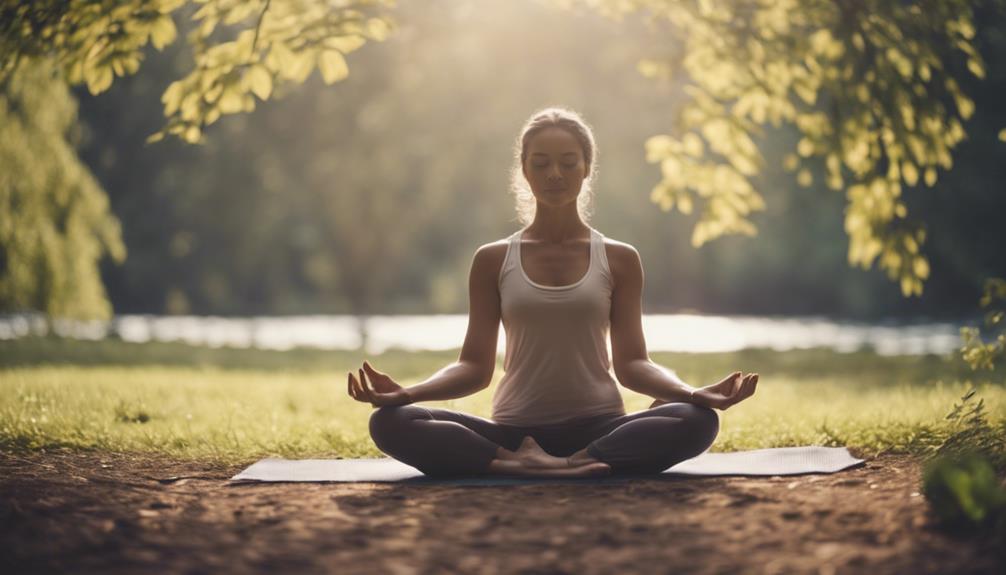
Yoga isn't just about striking poses; it's a holistic approach to bringing your mind and body into perfect harmony. You see, when you roll out that mat and start moving through different postures, breathing in sync with each movement, and letting your mind settle into a meditative state, you're doing more than just exercise. You're embarking on a journey that touches on every aspect of well-being, from physical fitness to mental peace.
Why Yoga is More Than Just Flexibility
One of the biggest misconceptions about yoga is that it's all about bending like a pretzel. But in reality, it's much more. Whether you prefer the slow, controlled movements of restorative yoga or thrive in the heat and intensity of hot yoga, you're giving your body a complete workout. And the benefits are impressive – studies have shown that regular yoga practice can cut down on stress, alleviate pain, improve your mood, and even enhance sleep quality. That's because yoga combines physical activity with mental exercises, making it a powerful tool for overall health.
Customisable Practice for Everyone
What's truly remarkable about yoga is its flexibility (no pun intended). It doesn't matter if you're a seasoned athlete or someone who's more acquainted with a sedentary lifestyle; yoga has something to offer. By blending still poses with dynamic sequences, it caters to a wide range of fitness levels and interests. And let's talk about the physical perks – improved muscle strength, greater flexibility, better balance, and a wider range of motion. These aren't just claims; they're backed by research. Embracing yoga can lead to significant improvements in your quality of life, and who doesn't want that?
Transforming Body and Mind
Adopting yoga as a regular part of your life can be a game-changer. It's not merely about getting in a good workout; it's about creating a deeper connection with yourself. This practice encourages you to listen to your body, to understand its needs, and to respect its limits. As you grow in your yoga journey, you'll likely notice changes not just in your physical health, but in your mental and emotional wellbeing too. That's the beauty of yoga – it fosters a sense of harmony and balance that resonates through every aspect of your life.
A Personal Note on Yoga
'Yoga teaches us to cure what need not be endured and endure what cannot be cured.' This quote perfectly encapsulates the essence of yoga. It's not just about physical healing; it's about finding mental and emotional resilience in the face of life's challenges.
In Conclusion
Yoga is much more than a series of poses; it's a pathway to achieving a harmonious balance between the mind and body. Whether you're drawn to its physical benefits or its mental calming effects, there's no denying the profound impact it can have on your overall well-being. So why not give it a try? Roll out a mat, take a deep breath, and let the journey begin.
Breathing Exercises for Relaxation
Shifting gears from the world of yoga poses that help us find balance and harmony, let's chat about how breathing exercises can be a game-changer for relaxation. It's pretty amazing what a few deep breaths can do, especially when it comes to easing pain and helping us feel more connected with ourselves. Here's why you might want to make room for them in your daily routine:
Breathing Techniques: Taking deep breaths isn't just about filling your lungs with air; it's about telling your body it's time to chill out. This can kickstart the relaxation response, making stress take a backseat and helping you feel more at ease.
Stress Relief: Ever noticed how your breathing changes when you're stressed? By focusing on controlled breathing, you can guide your mind and body back to a state of calm, which often means pain doesn't feel as intense.
Benefits of Regular Practice: If you make a habit of practicing these breathing exercises, you're likely to notice you're feeling generally better, with less anxiety clouding your days.
Cutting Down on Anxiety: By deeply inhaling, you boost the oxygen flow to your brain. This can immediately make you feel more peaceful and reduce any tension you're holding onto.
Incorporating these straightforward yet impactful breathing techniques into your daily life can enhance mindfulness, mental clarity, and overall wellbeing. It's a simple step you can take towards feeling better both physically and mentally. And the beauty of it? You can start right now, wherever you are.
A Personal Note on Breathing Exercises: 'I never realized how much power my breath held until I started incorporating breathing exercises into my morning routine. It's like pressing the reset button on my stress levels.' – Just a thought from someone who's been there.
Tai Chi for Pain Management
Tai Chi: A Gentle Way to Tackle Pain
Have you ever thought about trying Tai Chi to manage pain? It's more than just an exercise; it's a holistic approach that blends deep breathing with graceful, slow movements. What makes Tai Chi so special is its ability to enhance flexibility, muscle strength, and balance. This isn't just about moving your body; it's about creating harmony between your mind and body, which can lead to a significant reduction in pain, stress, and even inflammation.
The beauty of Tai Chi is that it's incredibly versatile. Whether you're up for a walk, can stand for a while, or need to stay seated, there's a Tai Chi style for you. This makes it perfect for everyone, regardless of your fitness level or if you're dealing with frailty. Imagine an exercise that adapts to you, not the other way around.
Why is this important? Because regular Tai Chi practice can genuinely transform your life. It's not just about easing your pain; it's about boosting your immune system, improving your posture, and enhancing your overall well-being. Think about conditions like arthritis, high blood pressure, and insomnia. Tai Chi has the power to alleviate symptoms associated with these issues, improving your quality of life in a very real way.
The Impact of Tai Chi on Well-being
Incorporating Tai Chi into your daily routine isn't just a good idea; it's a game-changer. By focusing on gentle movements and breathing, you're not just working on your physical health. You're taking a moment to connect with yourself, reducing stress and fostering a sense of peace. This isn't about pushing your body to its limits but about listening to it and moving in a way that promotes healing and comfort.
But don't just take my word for it. Studies have backed up these claims, showing that those who practice Tai Chi regularly see a noticeable difference in their pain levels and stress. It's about giving your body and mind the tools they need to manage pain and stress effectively.
Why Choose Tai Chi?
Choosing Tai Chi means choosing a path to better health that is gentle, accessible, and effective. It's about making a commitment to your well-being and taking steps every day to manage pain and stress. Whether you're dealing with chronic pain or just looking for a way to relax and improve your health, Tai Chi offers a comprehensive solution that benefits your body and mind.
Custom Quote: 'Tai Chi is more than exercise; it's a pathway to improved health, clearer mind, and a pain-free life. It's about moving with intention, breathing with purpose, and living with less pain.'
Conclusion
Integrating activities that connect the mind and body into your everyday schedule can significantly help with managing discomfort and enhancing overall wellness. Engaging in yoga, tai chi, meditation, and similar practices not only boosts physical and mental health but also plays a crucial role in stress reduction and elevating life quality. These methods are a holistic solution for achieving pain relief and harmony between mind and body, giving you the power to influence your health positively.
Speaking of taking control, if the idea of starting feels a bit daunting or if you're unsure about the next steps, don't fret. We at Move With Martina are here to lend a hand – think of us as a friend who's just a message away, ready to guide you through. Whether you're curious about diving into MAP Movement Individual Sessions, joining the energy of MAP Movement Group Classes, or exploring the convenience of MAP Movement Online Classes, we're here to help.
So, if you're sparked with curiosity and eager to learn more about how these practices can benefit you, or if you have any questions, please don't hesitate to contact us. Let's embark on this journey to better health and happiness together.