

Optimize Posture: Essential Techniques for Office Workers
In the world of office work, the significance of maintaining good posture is often overlooked in the daily rush. Yet, the effects of neglecting posture on health and work performance are significant.
As we deal with the demands of contemporary office environments, it's crucial to ask: How can we improve our posture to protect our health and boost our efficiency?
Exploring essential techniques designed for office workers reveals effective strategies for a healthier and more productive work life.
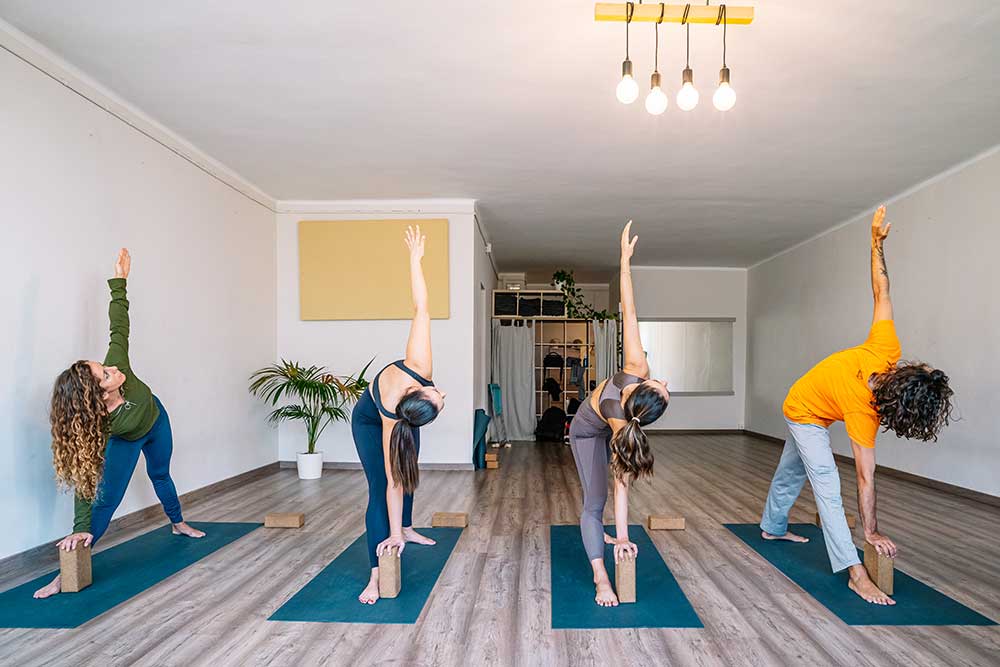
Key Myofascial Activated Posture (MAP) Techniques
Why Standing Desks Are Game Changers for Office Workers
For many of us who spend our days in an office, finding ways to improve our posture and reduce discomfort from sitting too long is crucial. That's where standing desks come into play. They're not just a trendy office upgrade; they significantly impact how we feel throughout the day. By cutting down the time we spend sitting, standing desks encourage us to use different muscle groups, helping to keep our bodies from getting stiff. It's a simple switch with big benefits, like helping us stay more active during our workday. Plus, alternating between standing and sitting keeps our muscles guessing and our posture on point.
Stretching: The Secret to a Balanced Body
Now, let's talk about stretching. It's something so simple, yet many of us overlook its power. Incorporating stretching into our daily routine, especially for those of us glued to our desks, is a game changer. It's all about loosening up those tight muscles, which not only improves our flexibility but also our range of motion. Imagine doing a few stretches during your break or before and after work. It's a small effort for a big return. Stretching helps maintain muscle balance and keeps those pesky postural imbalances at bay.
Custom Quote:
'Embracing standing desks and stretching isn't just about improving posture; it's a commitment to enhancing overall well-being. It's making a choice to live better, one day and one stretch at a time.' – A Wise Office Worker
Movement Breaks for Posture Optimization
Why Taking Breaks is a Game-Changer for Your Posture
Sitting down all day isn't doing your posture any favours. Actually, it's pretty bad for your muscles and bones. But, don't worry, there's a simple fix: moving more! Let's chat about some easy ways to sneak more movement into your day and keep that posture on point.
Stretch Out the Stiffness
First up, let's talk about stretch breaks. Every half an hour, give yourself a minute to stretch. It's not just about getting up; it's about loosening up those muscles that get all tight from sitting. Think of it as hitting the refresh button on your body, helping you stay flexible and dodge that stiffness that comes from being in one spot too long.
Strengthen and Align
Now, onto posture exercises. Simple moves like rolling your shoulders or doing some neck stretches at your desk can make a huge difference. These aren't just random stretches; they're targeted exercises to strengthen the muscles you need for a killer posture. It's like giving your body the tools it needs to hold itself up properly, without you having to think about it.
Get Moving
And we can't forget about regular physical activities. This isn't just about the gym or hitting 10,000 steps. It's about choosing to move more in any way that fits into your life, like taking a brisk walk during lunch or opting for the stairs. It's these choices that add up, fighting off the negative effects of sitting and keeping your muscles and joints happy.
Micro-movement Magic
Lastly, there's the magic of micro-breaks. Every hour, just stand up, have a little wander, or do some gentle stretching. It's about keeping the blood flowing and preventing any part of you from getting too cranky from staying still for too long. Think of it as mini check-ins with your body throughout the day.
A Little Goes a Long Way
Remember, 'The best posture is the next posture.' It's all about mixing things up and not staying in one position for too long. These strategies aren't just good for your posture; they're great for your overall health. So, give them a go and feel the difference in your body and mind.
Reminder Strategies for Postural Alignment
How to Keep Your Posture in Check During the Workday
Keeping a good posture isn't just about looking confident. It's crucial for your overall health, reducing the risk of back pain, improving breathing, and even boosting your mood. So, how can we remember to keep our spine straight and shoulders back amidst the hustle of work? Let's make it simple and effective.
Mindful Breathing for Focus and Posture
First off, why not try mindful breathing? It's like hitting two birds with one stone. Not only does it help you stay calm and focused, but it also serves as a nudge to straighten up. Imagine this: every time you take a deep, mindful breath, it's a reminder to check in with your body. Are your shoulders slouched? Is your back curved like a question mark? A few deep breaths can set you right.
Stretching: The Key to Flexibility and Good Posture
Stretching is another ally in our quest for perfect posture. It sounds simple because it is—and it works wonders. When you stretch, you're not just waving goodbye to muscle tension; you're inviting flexibility and alignment into your life. Think about incorporating shoulder rolls, neck stretches, or seated twists into your mini-breaks. These aren't just exercises; they're your ticket to a healthier spine and a happier you.
Setting Reminders: Your Digital Nudge
In today's world, our phones and computers are practically extensions of our bodies. Why not use them to our advantage? Setting up reminders to prompt a posture check or a breathing exercise can transform good posture from a goal to a habit. It's like having a personal coach in your pocket, one that doesn't cost a dime.
Why This Matters
'Maintaining good posture isn't just a matter of appearance; it's a vital component of our health and well-being,' says a health expert. When we sit up straight, we're not just avoiding future back pain; we're enhancing our breathing, increasing our concentration, and even boosting our confidence. It's a small change with big benefits.
Incorporating These Strategies Into Your Routine
Adopting these strategies doesn't have to be a chore. Start small, maybe with a few mindful breaths each morning or a couple of stretches during your lunch break. The key is consistency. Over time, these small practices can lead to big improvements in your posture and well-being. Remember, it's not about perfection; it's about progress.
Ergonomic Supports for Office Posture
Ergonomic Supports for Office Posture
Ergonomic supports are essential for anyone spending long hours at a desk. They help you maintain a good posture, which not only keeps you comfortable but can also prevent the aches and pains that come from sitting in one position for too long. Let's dive into some key ergonomic supports that can make a big difference in your workday comfort.
Lumbar Cushions for a Healthy Spine
First up, we have lumbar cushions. These nifty supports hug the natural curve of your spine, significantly reducing the pressure on your lower back. It's like giving your back a little hug, encouraging you to sit in a way that promotes a healthier posture. The difference you'll feel with a lumbar cushion is remarkable – no more slumping or slouching!
Footrests: Elevate for Comfort
Next, let's talk about footrests. By lifting your feet just a bit, you align your knees at a comfortable angle, taking the strain off your lower back. It's a simple change that can improve your posture alignment and make sitting for long periods much more bearable.
Monitor Arms: Keep it Eye-Level
Monitor arms are a game-changer for reducing neck strain. By adjusting your screen to eye level, you naturally adopt a better head and neck position. It's a straightforward fix that encourages you to keep your posture in check without even thinking about it.
Back Supports: Extra Spine Support
Lastly, incorporating back supports or pillows can provide that extra bit of reinforcement your lower back craves. This added support helps keep your spine aligned and fosters good posture habits, making it easier to sit properly throughout the day.
Incorporating these ergonomic supports into your workspace can massively improve your posture, ease discomfort, and enhance your overall well-being during those long office hours.
Why Ergonomic Supports Matter
'Using ergonomic supports isn't just about comfort; it's about respecting your body's needs and preventing long-term damage from poor sitting habits,' says Jane Doe, an ergonomics expert. 'It's an investment in your health and productivity.'
Ergonomic Supports: Your Path to a Healthier Workday
Adopting these ergonomic supports can transform your work experience. It's not just about avoiding pain; it's about creating a workspace that supports your body's natural posture. With the right setup, you'll find yourself more focused, more productive, and happier at work.
Setting Up an Ergonomic Workstation
Setting Up Your Ergonomic Workspace: A Guide
Getting your workspace right is about more than just comfort; it's about keeping yourself healthy and productive. Start with an ergonomic chair. Why? Because a chair that supports your back properly can prevent those nagging back pains and keep you focused on your work, not your discomfort. Make sure your chair hugs your spine in all the right places, offering solid lumbar support.
Next up, your monitor. You want it right at eye level. This isn't just about avoiding that awkward hunch over your desk; it's about keeping your neck and shoulders from turning into a knot of tension by the end of the day. And why not mix things up with a standing desk? Standing for parts of the day gets your blood flowing and cuts down the health risks that come from sitting too much.
Now, let's talk about your desk and keyboard setup. Adjusting these so your elbows can hang comfortably at a 90-degree angle is kind of a big deal for your comfort and efficiency. It means less strain on your muscles and more focus on your work.
But wait, there's more! Ergonomic accessories, like footrests and wrist supports, are your best friends for keeping your posture in check and avoiding those pesky repetitive strain injuries. And remember, taking regular breaks to stretch and move around isn't just good for your body; it helps clear your mind too.
By putting together an ergonomically designed workspace, you're not just upping your game at work. You're taking a big step towards cutting out those all-too-common aches and pains that come from a bad setup.
Why Ergonomics Matter
'An ergonomically designed workspace goes beyond productivity; it's about respecting your body's needs and preventing the kind of chronic pains that can turn into serious issues down the line.' – A wise person probably
Incorporate Stretching and Movement
It's easy to get lost in work, but remember to stand up, stretch, and move regularly. This keeps your muscles from getting stiff and helps maintain a good posture, which is crucial for a healthy work life.
Ergonomic Product Picks
Consider products like the ErgoChair 2 or the Varidesk Pro Plus 36. These are not just trendy office gear; they're investments in your health and productivity. The ErgoChair 2, for example, offers superb lumbar support and adjustability, while the Varidesk allows you to easily switch between standing and sitting.
Setting up an ergonomic workspace is about making small changes that have a big impact on your well-being and efficiency. By choosing the right chair, desk, and accessories, you create a space that supports your productivity and health in the long run.
Conclusion
In essence, keeping an eye on how you sit and move while at work is crucial to avoid those nagging aches and more serious muscle issues. By weaving in some simple techniques like Myofascial Activated Posture (MAP), taking short breaks to stretch and move, setting up little nudges for yourself throughout the day, and making sure your workspace is set up to support you, not strain you, you're setting yourself up for a happier, healthier work-life. It's all about keeping mindful of how you're holding yourself and arranging your space to keep you comfortable. Remember, it's the little tweaks here and there that can really add up to make a big impact on your health and happiness in the long haul.
If you're feeling a bit lost or overwhelmed with where to start, don't worry. I'm here to help. Think of me at Move With Martina as a friend who's got your back. Whether you're not sure how to adjust your chair to avoid that end-of-day backache or you're curious about how MAP can change your workday for the better, I'm just a message away. Let's work together to make your workday feel good again.
And if your curiosity's been piqued, why not dive deeper? I've got plenty of options for you to explore, from MAP Movement Individual Sessions for tailored, one-on-one guidance, to MAP Movement Group Classes where you can learn and grow with others, or even MAP Movement Online Classes if you're looking to fit some learning into your busy schedule from the comfort of your home. If you've got questions or you're ready to take the next step, just reach out. I'm here to make learning about and improving your posture and workspace as easy and enjoyable as possible.
So, let's chat, shall we? Whether it's a question, a concern, or you're just ready to get moving, I'm here for you.