
That heart-stopping moment when your foot catches a kerb and your body lurches to recover—it feels like bad luck, but it’s actually a warning sign. Tight fascia and dormant stabiliser muscles are failing to communicate, and that miscommunication compounds with every passing year. Most people assume falls are inevitable after 60. They’re wrong. Your balance system remains trainable at any age, and the fix isn’t gruelling workouts or expensive equipment—it’s something far gentler than you’d expect. The first step surprises almost everyone who tries it.
When you think about falling, your body probably tenses up a little—and honestly, that’s a completely understandable response. Falls are the leading cause of injury-related death among adults 65 and older, and that fear lives right in your stiff shoulders and cautious steps. Your joints feel like a dried sponge, brittle and unsure, bracing against every uneven surface.
Many of the MAP movement exercises for adults in our guide can be done with a chair for support.
That tension is real: falls send nearly 3 million older adults to emergency departments and hospitalise over 800,000 more each year. Hip fractures, head injuries, lost independence—these aren’t abstract statistics, they’re the nagging worries that keep you from moving freely. In fact, 95% of hip fractures result directly from falls, which shows just how much prevention truly matters.
But here’s the comforting truth about preventing falls in older adults: your fascia can rehydrate, your balance can rebuild, and you can gently move freely again. Combining clinical rehabilitation with fascial release techniques offers older adults a supportive path towards restoring stability and confidence in their movement.
Visualise your feet growing roots right into the floor—steady, grounded, unshakeable. That’s the gift simple balance drills give your body.
Rooted feet, unshakeable body—this is what steady, patient practice grows in you.
We start small, honouring wherever your joints are today, and build confidence one breath at a time. Your fascia craves this hydration, like a dry sponge finally soaking up water. This gentle approach mirrors Myofascial Activated Posture, a technique that combines controlled breathing and intentional positioning to restore structural balance.
Try these gentle starting points:
Lean on a counter if you need to—there’s no shame here, only progress. Just as trusted health resources rely on security measures to protect visitors from harm, your nervous system relies on its own built-in safeguards to keep your balance steady.
Each rep is unzipping tension, restoring the effortless, upright posture your body’s been longing for.
Think of your first steady stance as a plant sending down roots—simple, grounded, and exactly where your body needs to start before it reaches for the sun.
You’ll settle into feet-apart stances first, letting your fascia soak up stability like a dry sponge finally getting water, then gently narrow your base as confidence builds. This progression mirrors the fascia activation methods combined with breathing techniques and targeted props that guide the body toward sustainable stability rather than temporary fixes.
From there, holding still becomes holding steady, and steady becomes moving—your body’s cue that it’s ready to unzip itself from stiffness and step into fluid, flowing motion. Eventually, your practice should include reactive balance challenges, like responding to unexpected pushes or shifts, to mimic the sudden stumbles that happen in everyday life.
Because your body needs a rock-solid foundation before it can dance, we start every session standing still—and yes, that’s genuinely enough for day one.
We meet your stiff hips and tired knees exactly where they are, no rushing, no judgement. Static stances give your nervous system a chance to soak up stability, like a dried sponge finally drinking water. You’ll feel your fascia loosen, your joints settle, and your breath slow down. If deeper stiffness lingers, a myofascial release approach can help uncover the root cause of pain before it starts affecting your balance.
We build confidence near a wall or counter, so you feel safe as we narrow your stance:
Each small change unzips a little more tension, letting real balance emerge. In fact, if you can’t hold a single-leg stance for 10 seconds, research links this to a higher risk of premature death after age 50.
Once those still stances start feeling less like a tightrope walk and more like standing on solid ground, your body’s ready for the next gift: time. We stretch those holds slowly, letting your fascia soak up the challenge like a dried sponge finally getting the water it’s craved. This is where longer hold targets come in—gentle, patient progress your joints will thank you for. Age naturally reduces tissue elasticity, so building these holds gradually helps restore the stretch–shorten cycle that keeps balance responses quick and efficient.
| Hold Time | Stance | What You’ll Feel |
|---|---|---|
| 10 sec | Wide stance | Steady, grounded |
| 20 sec | Narrow stance | Gentle wobble, growing control |
| 30 sec | Tandem/single-leg | Quiet, confident stillness |
Only lengthen the clock once things feel easy. Your body deserves that kindness. If you’re recovering from an injury or managing chronic pain, working with a registered physiotherapist can help ensure these progressions remain safe and effective.
When those still holds start feeling like old friends instead of nerve‑wracking tests, your body’s ready to unzip itself and actually move. This is fluid movement progression—the moment your fascia goes from a soaked sponge to living, responsive tissue that flows with you instead of against you. This progression reflects the philosophy behind Myofascial Activated Posture, which blends clinical physiotherapy with movement therapy to restore natural alignment and ease.
You’re not just balancing anymore; you’re dancing with gravity, and it feels incredible.
We’ll shift your centre of gravity gently, building real‑world resilience:
Each session builds on stable ground first. Nothing rushed, nothing scary—just your body remembering how effortless movement feels.
Rising from a chair shouldn’t feel like a negotiation with your own knees, but for so many older people, that simple action has become a source of quiet dread.
That’s precisely why sit-to-stand drills are at the heart of our MAP Movement sessions. These drills take centre stage in our In-Studio MAP Classes, where small groups gather in Pretoria East to rebuild natural mobility together. Envision your legs as dried sponges, finally soaking up strength again with every rise.
Sit near the edge of a sturdy chair, feet planted shoulder-width apart. Lean your chest gently over your toes, then push up through your legs like you’re unzipping a tight wetsuit—slow, controlled, freeing.
Lower back down with the same care.
Start with five reps if you’re new to this. Your glutes and thighs will thank you, and that wobbly transfer from chair to standing? It will start feeling like home again.
Strong legs give you the power to rise, but stiff fascia can still make every step feel like moving through wet cement. That gummy, restricted feeling isn’t just “getting older”—it’s tissue crying out for movement.
Think of your fascia like a dried-out sponge, thirsty and tight; slow, gentle motion is the water that plumps it back up, restoring that glide between muscles you used to take for granted.
We rebuild fascia health with drills that feel almost like play:
Martina Johannes, a registered physiotherapist in Pretoria, uses Myofascial Activated Posture techniques to strengthen the connection between fascia and posture, helping restore natural balance and mobility.
Pair this with single-leg holds near a sturdy chair, and watch stiffness melt into steadiness—one soft, deliberate movement at a time.
Think of your fascia as the body’s whole‑body web, quietly weaving together muscles, joints and nerves so every step feels steady rather than shaky.
When it’s hydrated and supple, this tissue acts like a built‑in gyroscope, feeding your brain the sensory information it needs to catch a stumble before it becomes a fall.
That’s where fascia mobility drills come in—simple, targeted movements that wake up this web and turn wobbly moments into confident, grounded steps.
For those wanting structured support, Online MAP Movement Classes provide expert‑led sessions from registered physiotherapists that guide you through safe, effective myofascial release techniques from the comfort of home.
Envision your fascia as a web of tiny sensors, quietly reporting back to your brain about every shift, tilt and step you take. This isn’t just tissue wrapping your muscles — it’s a living communication network, weaving strength, sensation and stability into one seamless system.
When it’s hydrated and supple, your body moves like it remembers how to trust itself again.
Here’s what healthy fascia gives you:
Stiff, dehydrated fascia mutes these signals. Nourished fascia? It keeps you grounded, responsive and, wonderfully, confidently steady. This approach differs from standard stretching by focusing on fascia hydration, which restores the sensory feedback your nervous system relies on to keep you balanced.
Now that you know what fascia’s whispering to your brain, let’s talk about how to actually wake it up. Think of your tissue as a dried-out sponge—stiff, cranky, waiting for water. Fascia mobility drills rehydrate that sponge, unzipping tight spots like a wetsuit peeled open after a long swim. Your body remembers how to move freely; you’re just reminding it.
| Drill | What It Feels Like | Balance Benefit |
|---|---|---|
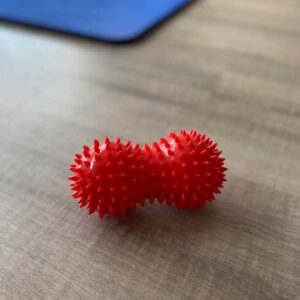
| Foot rolling | Melting arch tension | Steadier footing |
| Spiral twists | Unwinding your core | Smoother turns |
| Wall calf stretch | Deep calf release | Confident steps |
These drills build myofascial activated posture—upright, supported, effortless. Support yourself, breathe deep, and let relief settle in.
Three simple sessions a week can hand you back the steady, confident stride you thought you’d lost for good.
Think of this rhythm like rehydrating a dried sponge—each session plumps up tired fascia, softens stiff joints, and restores the springy glide your body craves.
Like a dried sponge soaking up water, your body plumps back to life with every session—soft, springy, and ready to move.
You don’t need hours of gruelling effort; you need consistency, care, and a little playful commitment to yourself.
Effective fall prevention programmes weave these threads together, blending balance, strength, and mobility so your whole structure feels resilient, light, and wonderfully, freely yours again.
Balance work is easier when your back moves freely, so pair these drills with our gentle exercises for lower back stiffness. If you feel unsteady mainly in the morning, our guide to easing morning body stiffness explains why and what helps.