
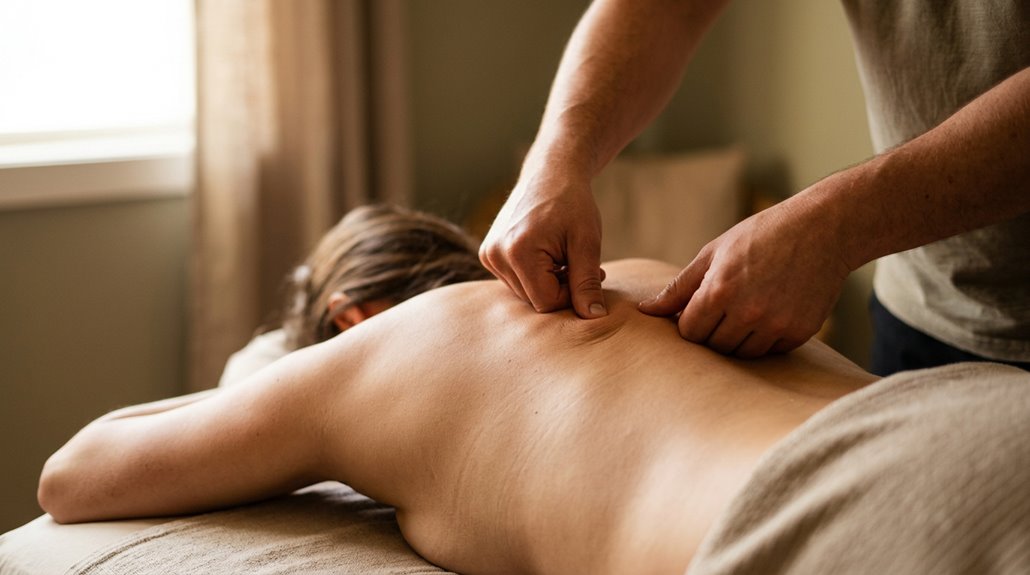
That knot between your shoulder blades isn’t tension—it’s a lie your body has been telling you for years. Everyone assumes it’s stress, bad posture, or a pillow that needs replacing. But the real culprit is far stranger: your fascia has essentially dried out, hardening like a sponge left in the sun until it forgets how to bend, stretch, or soften ever again. The fix isn’t another massage that fades by Tuesday. It’s rehydration—and the method might surprise you.
What Are Back Knots, Really?
That knot between your shoulder blades isn’t your imagination, and it definitely isn’t something you have to just live with. What you’re feeling is real—a trigger point, a tiny patch of muscle fibre clenched tight and refusing to let go.
It’s tender because it’s overworked, born from hunched shoulders, long desk-bound days, and stress you’re carrying in your body without even realising it. These trigger points often show up in the neck, shoulders, and back—the exact areas most burdened by tension and poor posture.
Here’s the good news: that hard little lump isn’t permanent damage. It’s tight, thirsty tissue simply asking for attention.
True back knot relief starts with grasping this, and myofascial release for women speaks directly to it—coaxing bound fascia to soften, rehydrate, and finally release its grip so you can breathe deeper and stand taller again. At Move With Martina, this approach combines clinical physiotherapy with mindful movement to help you break the cycle of pain and reclaim your daily life.
Does myofascial release relieve back pain?
Wondering if myofascial release actually works, or if it’s just another wellness buzzword?
Here’s the honest truth, sweet friend: research says yes, modestly. Studies show real pain relief and better movement, especially for chronic tension that’s settled into your lower back like an unwanted houseguest.
Think of your fascia as a dried-out sponge. Trigger point release adds gentle pressure, coaxing hydration back into tight, thirsty tissue. This approach stimulates tissue hydration in connective tissues, helping restore the elasticity your body needs to move freely again.
Slowly, that stuck sponge softens, and your body remembers how to move without gripping.
The goal isn’t just less pain, it’s myofascial activated posture, a body that holds itself upright with ease, not effort. Research even shows that combining myofascial release with core stabilisation exercises offers meaningful benefits for people dealing with persistent low back pain.
You won’t become superhuman overnight. But you’ll likely feel looser, steadier, more at home in your own skin.
How to Do Self-Myofascial Release at Home
Once you’ve got a foam roller and a little floor space, you’re already equipped to start coaxing your fascia back to life.
Lie back, knees bent, roller nestled under your upper shoulder blades. Clasp your hands behind your head, lift into a gentle bridge, and roll slowly between your neck and shoulder blades—like wringing tension out of a stiff sponge.
When you find a tender spot, pause. Breathe deeply for 30 to 60 seconds, letting that knot soften instead of fighting it. This is self-myofascial release in its truest form: patient, curious pressure that invites your tissue to unzip, not force it open.
Keep pressure firm but tolerable, around a level 5 to 7 on a personal comfort scale. If you experience tingling, numbness, or weakness in your limbs while rolling, stop and consult your doctor.
For chronic knots that don’t resolve with self-care, professional techniques like Myofascial Activated Posture can offer deeper, lasting relief. This simple ritual becomes powerful back pain management—slow, deliberate, and entirely yours.
Why Women Respond Well to Myofascial Release
Your body isn’t imagining that knots feel stubborn some months and buttery-soft the next—your hormones are quietly running the show backstage. This is why uncovering the root cause of pain matters more than simply chasing symptoms.
Oestrogen and relaxin work like a hydration crew, softening collagen and coaxing fascial adhesions to let go. This is why your tissue responds so beautifully to myofascial release: it’s biologically wired to soften under the right touch.
When oestrogen dips, tissue can tighten like a wetsuit two sizes too small. That’s not weakness—that’s chemistry.
Your nervous system also carries more sensitised nerve endings, which means releasing restriction brings deeper, more noticeable relief. A skilled therapist works by applying light pressure to locate these tender, stiff areas before easing them.
You’re not overreacting to pain. You’re simply built to feel it, and built to release it fully.
When Back Pain Needs a Professional’s Help
As much as we love watching tissue melt and soften under mindful movement, we’re not here to play hero when your body’s waving a real red flag.
Some knots need more than mindful hands—they need a physiotherapist near me who can rule out what we can’t touch. Your body’s whispers matter, and sometimes they’re shouting. In fact, most back pain resolves within six weeks without any treatment at all.
Here’s when to pause the self-massage and pick up the phone:
- Numbness or tingling creeping down a leg, into the groin, or both feet at once.
- Pain that won’t quit—it’s lingered for weeks, worsened, or steals your sleep.
- New bladder changes, fever, or unexplained weight loss alongside the ache.
A private assessment is especially recommended for those in acute pain or recovering from surgery. Real treatment for knots in back pain starts with knowing which knots are safe to resolve yourself.